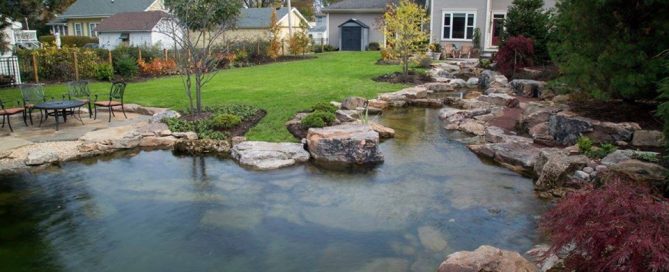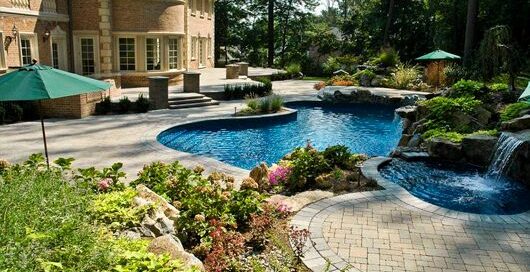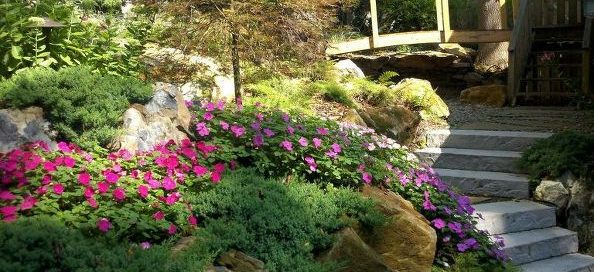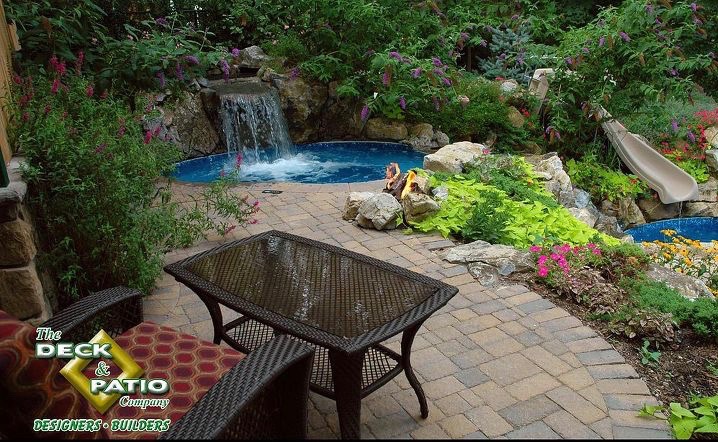
landscaping

Help the Declining Bird Population While Brightening Up Your Winter Yard

Long Islanders, including many Deck and Patio clients, are strong environmentalists and nature lovers. And they are well aware of recent news reports that North America has lost 3 billion birds since 1970. 

What may be news to some is that not all the loss has been among rare birds. One in four colorful blue jays, for example, have been lost, and we recommend a SC Times post that includes some great tips on a variety of ways we all can help.

News has not been all bad though. Because of conservation efforts, populations of waterfowl have increased in recent decades. However, even with the increase in waterfowl, the overall loss in birds does tug on the conscience. 

Inviting Birds to Your Property

We may not have any snowy owls to protect, on Long island, but we can provide a safe habitat for lots of delightful birds — and birds of glorious color that can brighten our winter season.


Blue Jay

Blue Jay

Peanut Wreath

Peanut Wreath


Blue Jays, who do need help, are colorful birds that by nature are happy to stay around in winter. These avian friends love to congregate in groups come winter. They also will squirrel food away. Some have witnessed Blue Jays hiding nuts in trees.

We spoke with Sandra Vultaggio, Horticulture Consultant at the Cornell Cooperative Extension in Riverhead about attracting the Jays.

 “If you want to help Blue Jays, they really like nuts and peanuts. I use a peanut wreath and fill it with shelled peanuts. This type of feeder attracts a lot of Blue Jays.”

They are also such fun to watch — not to mention they add a lot of color against a winter  landscape.”


Cardinals

Cardinals

Cardinals

Consider how the bright red plumage of the Cardinal could cheer the dreariest of days while you’re helping to save birds overall. The male’s full-bodied red actually gets more striking during winter. This is when some of their remaining gray-tipped feathers fall off, showing even more vibrant red.

What a picture they make resting on icy branches and snow. “If you want to attract them, Cardinals love black oil sunflower and safflower seeds,” says Vultaggio.

It’s helpful to note that Cardinals usually eat early in the morning or late in the evening so make sure feeders are well stocked at these times. Also, being a larger bird, they prefer a larger feeder that won’t sway too much as they eat.


Chickadees

Chickadees

Chickadees

Chickadees prefer the same type of seeds as the Cardinal: black oil sunflower and safflower.

Vultaggio is also delighted by their sounds: “They actually say chickadee when they sing.”

Chickadees are vibrant even though, as part of the Titmouse family, they are known for their gray color and lighter bellies.

“They dine primarily on insects, seeds and berries,” adds Vultaggio.

“They are active and agile little birds. These little acrobats are a delight to watch when they hang upside down from twigs or at your feeder.


Extra Tips

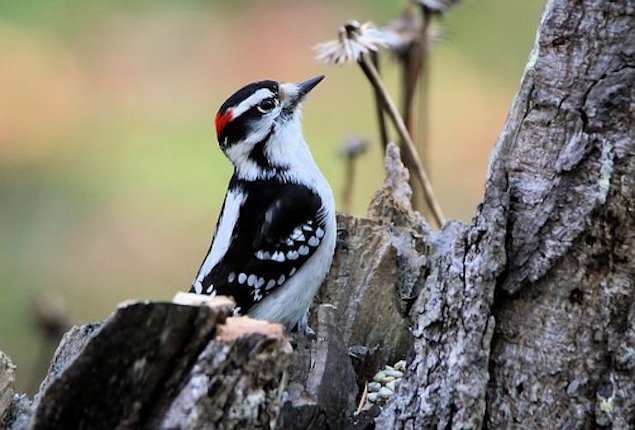
1.  Vulraggio also puts out suet in winter, which she says attracts other birds including woodpeckers.

2.  Bird Baths are a great help to birds in winter 

3.  Put up bird houses designed for specific birds


Bird Baths:

Bird Baths:

A bird bath is important. Water is often scarce in the dead of winter.

Of course, you don’t want the water to ice up and there are lots of bird bath heaters, including solar heated bird baths.

Pictured immediately above is a Heated Deck-Mounted Birdbath by Allied Precision. “You’ll also find that in winter birds tend to appear in groups since many eyes make it safer to watch out for predators.” 


Upscale Birdhouses:

Upscale Birdhouses:

Granted, wild birds may not exactly be pets. But it’s trendy to treat them like they are. So it’s not surprising that fancy bird houses are growing in popularity. Indeed, there are even awards for the best design in bird houses.

The point is, a bird house can be a reflection of your own style and tastes and certainly can be upscale, all while you’re aiding in bird conservation. Besides, if our avian friends are going to sing for their supper, they might as well be housed as nicely as we are. 

It’s worth checking to learn what the birds you’re trying to attract require. For example, Blue Jays like to nest at least 10 feet off the ground so your birdhouse should be at least that high in a tree or pole. They like to use tree roots and small thin sticks to create a nest so you can place them nearby along with the food they prefer. 


Birds are, indeed, such a wonderful way to add color to your winter garden. And it feels great to know you are helping in a very small way to reverse the trends of bird loss on our continent. 

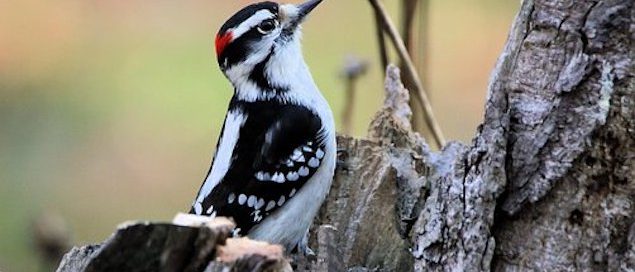
Note: Our feature photo at the top of the page is of a tit bird feeding on a tit ring. 
By |2019-11-08T16:28:33-05:00November 7th, 2019|Backyard Escapes, Environment Issues, Landscaping, Seasonal Landscapes|Comments Off on Help the Declining Bird Population While Brightening Up Your Winter Yard

Some Like It Hot: Enjoying Red Fall Foliage at Home

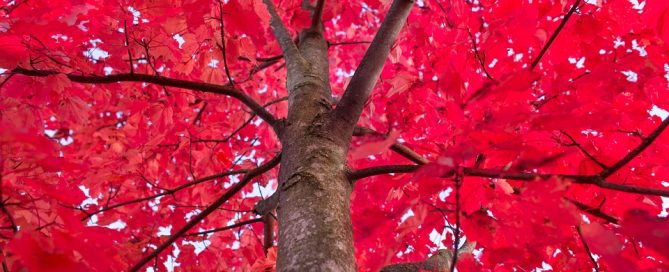
Fiery Red Foliage

Fiery Red Foliage

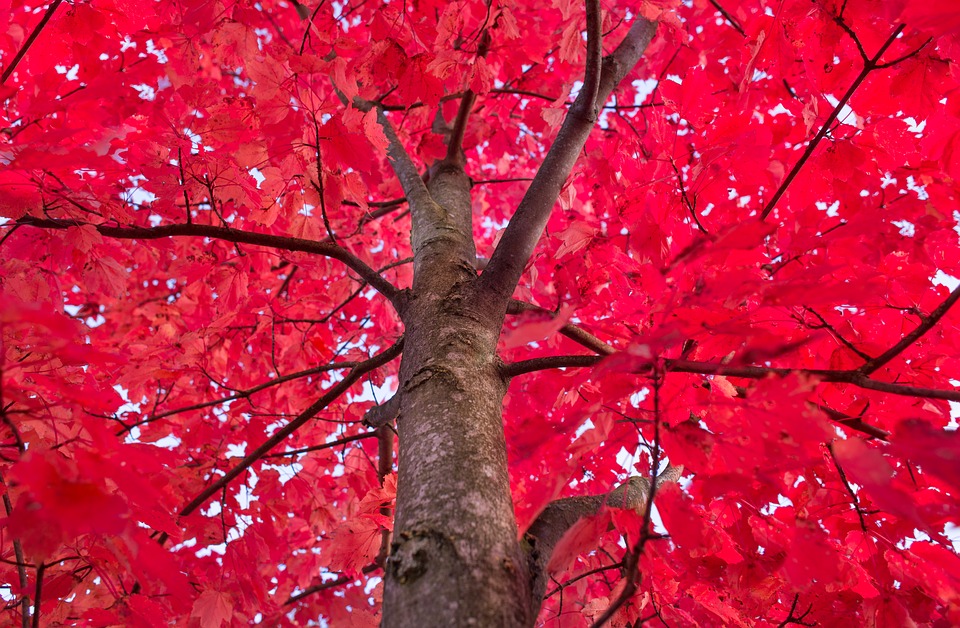
When the weather gets cool, some really like it hot…fiery red hot, that is. The heat we’re talking about is blazing red foliage — bursts of color that some find ease the pain of the outdoor season coming to an end.

More than that, say experts, the color red goes beyond sensual pleasure. It stimulates the human system — even increasing pulse and heart rates. It’s well worth it then to be able to enjoy autumn’s bursts of fiery red daily, by having the right trees in your yard.

That said, brilliant red foliage outside our very own windows requires planning. To get all the dirt on what trees to plant, we spoke with Angelo Puleo, Nursery Division at Bissett Nursery (Holtsville, NY).


Maple Trees

“One of the most popular and widespread deciduous trees that produces bright reds in autumn is the beautiful Maple tree,” says Pueleo. “In particular, along with oaks, we recommend Sugar Maples for great fall red color.”


Choosing the right Maple

Choosing the right Maple


Note: Be sure to ask experts at an established nursery or landscaping firm which variety of maple, etc. will produce red leaves in fall, as some varieties offer up a blazing yellow instead. Not that there’s anything wrong with that…it’s just for another blog post.


Red Maple in Fall:

Red Maple in Fall:

A beautiful shade tree in summer with brilliant color in autumn, the Red Maple can be planted any time of year, including fall.


Cleveland Select Pear 

Puleo also recommends the Cleveland Select Pear for robust color. Like the Oak and Maple, it is also hardy and can withstand most winds and storms, including ice storms — a real plus in our neck of the woods (the Northeast).

Cleveland Select Pear:

Cleveland Select Pear:

“In spring, the Cleveland Select Pear bursts awake in beautiful white flowers, and in the fall, its leaves offer up a deep orangey-red blaze of color,” adds Pueleo.

Bradford Pear Tree:

Bradford Pear Tree: (Photo With Permission: Abrahami):

A close cousin of the Cleveland Select Pear, the Bradford is pictured here as its leaves begin to turn from green to fall-red.


Japanese Maple 

When it comes to smaller trees, Deck and Patio designers often consider Japanese Maples in landscaping plans; red-leafed versions of this beautiful tree offer degrees of red from spring through fall (see last photo). Planting them in early fall allows for new root growth in time for spring.

Japanese Maple (Photo With Permission: Wikipedia 松岡明芳):

Japanese Maple (Photo With Permission: Wikipedia 松岡明芳):

This beautiful Japanese Maple is native to Japan and other nearby Asian countries such as South Korea. It’s prized for the shape of its leaves and rich red color. It’s useful to note that there are different types of Japanese maples. Some stay red ’til their leaves drop in autumn but others leaf out in brilliant reds in spring and turn to yellows and orange in fall. These, of course, can be dazzling, too, but be sure you get what you want.


Mighty Oaks

In 2004, the gorgeous and majestic oak tree was designated the USA’s official national tree. Known for its wonderful shade and lumber it grows to great heights from just an acorn. You can begin from a seed, but you might also want to transplant one that is partially grown. While you can transplant up to between 5 and 8 feet in growth, it’s best to go with a smaller tree to allow its roots to cope in the process.  

Mighty Oak:

Mighty Oak:

A few varieties of oak grow rapidly (e.g., Heritage Oak, Swamp White Oak and Northern Red Oak), making them an ideal choice. Like all the trees mentioned in this blog post, leave about 10 feet between each one when planting. The oaks are sun lovers so choose a sunny spot. Note: For those who keep horses, the oak’s acorn and leaves can be toxic to animals such as horses. 
This is by no means an exhaustive list for fiery red foliage. But we hope it’ll be enough to get your heart pumping every time you walk outdoors next fall. The fiery red scene will so take you away that you’ll forget you’re wearing a jacket.


By |2019-10-24T12:42:51-05:00October 24th, 2019|Backyard Upgrades, Creative Design, Gardening, Landscaping, Seasonal Landscapes, trees, Updating Landscape|Comments Off on Some Like It Hot: Enjoying Red Fall Foliage at Home

Choosing a Recreational Pond Over a Swimming Pool

Most people are pretty certain their family will enjoy using a regular pool. But not everyone is so sure about a recreational pond.

Even after learning that these ponds are a growing international trend and are so much better for the environment, they think, why rock the inflatable pool boat so to speak.

However, if like some of Deck and Patio’s Long Island client families, your passion for eco-friendly spaces makes you want to at least ponder (ahem) a recreational pond, one way to test the waters is ask: Do we like swimming in lakes, the ocean, and/or swimming holes? 

If the answer is yes to any of these, then you’ll probably love a natural swimming pond. Why? Because if you’ve swum in the ocean, for example, you’ve probably brushed up against the occasional bit of seaweed and snorkeled to get up close to colorful fish. 

In addition, because swimming in a natural pond means you won’t be swimming in chlorinated water, there’ll be no red eyes or irritated skin.

Because of the benefits to the environment a natural swimming pond offers, and the sheer pleasure families get from them, we’ve been staying on top of the different ponds being constructed across the country. In particular, we keep close watch on the work of the company that crafts the products we use for most of our water features — Aquascape Inc., St. Charles, IL.

And no more so than recently. For in the past year, Aquascape’s main focus, through their Aquascape Construction arm, has been on the design and construction of recreational ponds. And if Aquascape is all in, we’re confident this trend will be growing even wider.

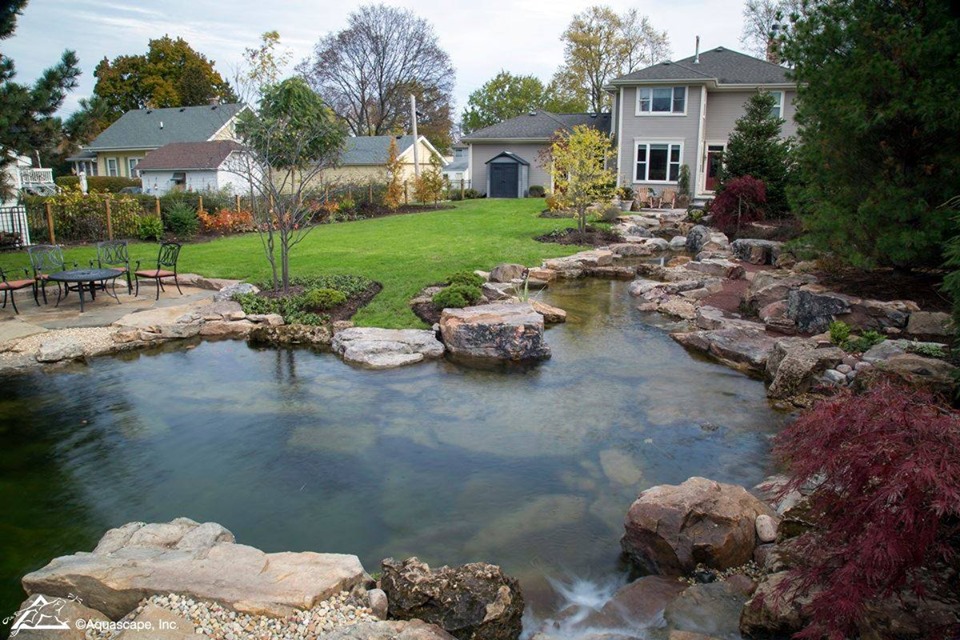
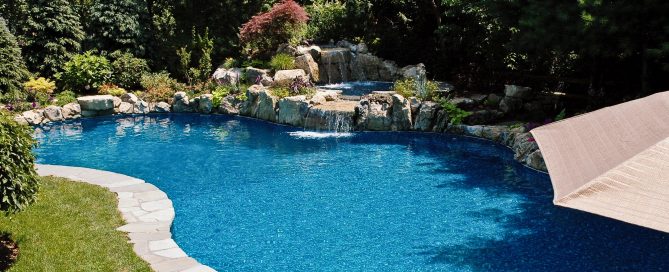
The feature photo at the top of our blog page today is of an Aquascape Construction’s recreational pond that they built last fall in Arlington Heights, Illinois, and which they recently shared on Facebook. Here’s the video of their amazing pond:


Their pond sure is a beauty, isn’t it? And as much as we love gushing about our mentor, Aquascape, we’re proud to say Deck and Patio has done some nice recreational ponds at home on Long Island.

Here’s one very special award-winner!

Recreational Swimming Pond (Long Island/NY):

Recreational Swimming Pond (Long Island/NY):

This pond (above) is one of two ponds the clients had us create in their yard which overlooks Long Island Sound. We can assure you our beautiful model is not avoiding any of the natural pond experience by using a floating device. As you’ll see from the next photo below, she’s not bothered at all by healthy pond life. Indeed, this pond is pure and clean — a joy to swim in.

Pristine Swimming Ponds (Long Island/NY):

Pristine Swimming Ponds (Long Island/NY):

“A key factor in a good natural swimming pond is to build it big and deep enough so that you can snorkel as well as have room to swim,” says Deck and Patio’s Dave Stockwell.


Pond Water Feature Includes Stream and Landscaping (Long Island/NY):

Pond Water Feature Includes Stream and Landscaping (Long Island/NY):

The water feature being enjoyed by our lovely model in the two previous photos includes not only two ponds but also this beautiful stream that feeds them — which Deck and Patio  landscaped with lush plantings and river rock.


Swimming With the Koi (Photo: Courtesy of Aquascape Inc.)

Swimming With the Koi (Photo: Courtesy of Aquascape Inc.)

The child in all of us loves natural swim ponds. This photo was published originally by a homeowner who wrote an Aquascape Inc. blog “Growing Up Around a Pond.” She captured  her son in the photo encouraging a friend to join him in the pond.

A Note on Recreational Pond Maintenance

Eco-friendly recreational ponds require expertise to create a natural swimming  environment to be enjoyed much like swimming holes were in years past. It takes, for example, the correct underlayment, liner, Biofalls (from Aquascape Inc.), bog filtration, as well as the ideal water plants. 

As Aquascape said on Facebook, “The proper amount of filtration and aeration is included in the installation so that maintenance is kept to a minimum.”


The Peaceful Harmony of Free-Form Pools

Last week our blog focused on geometric pools and how their traditional styles offer comfort today. But another trend is also upon us. There are those who find appealing a more relaxed, easy-going, natural style, as seen in the recent popularity of tie-die fashion apparel — which has its roots in 1960’s hippie style. For them, free-form pools fit just like a glove. 

“There’s something peaceful about a free-form water feature as it meanders its way along the natural contours of a landscape,” says Deck and Patio’s Dave Stockwell. “It offers a calm sense that it belongs there. Like a natural pond or lake might — only with a patio or deck around it.” 

Project # 1

Deck and Patio Free-Form Pool and Patio

Deck and Patio Free-Form Pool and Patio

Frequently, Deck and Patio designs the patio around a free-form pool in a similar free-form design. This Manhasset, NY, pool project is a great example of such a complementary patio and pool design.

“We also added a stacked stone wall that not only provides plenty of sitting options when the family entertains, the wall helps accentuate the space while also holding back the lawn and plantings.” 

This project design included a lower and upper patio — with the upper patio for the raised spa. Both pool patios were made from concrete paver slabs, which Deck and Patio installed the same way as traditional pavers — on a crushed stone base. Polymer sand joints were added to prevent weeds from growing in between the joints.

“Their backyard was also on the small side,” says Dave. “By designing different patio levels we were able to make the yard appear bigger; also note how the hue of the concrete pavers harmonize with that of the home itself.”

Free-form Pools (Manhasset/NY):

Free-form Pools (Manhasset/NY):

Many love free-form pools because they meander along with the landscape to suggest a more natural look; here the patio was designed “free-form” as well. The design also called for a stacked stone wall which adds a dramatic outline to it all as well as offering extra seating when entertaining. 

Project # 2

Seamless Integration of Pool and Patio

Seamless Integration of Pool and Patio

Deck and Patio won a prestigious award for this project. The publisher of the awards noted that: “It makes the landscaping appear as though it is yielding to the concrete paver patios, pools and retaining walls and it presents nature as in charge of the design, rather than the concrete.”

The homeowner has also told us: “When everything is blooming in our front yard, the beautiful curb appeal continually causes people to stop – even on what is a fairly busy street. Stopping to enjoy what we did there, they always ask if they can see the whole property. After they see this backyard free-form pool with raised spa retreat, stoppers-by are in awe of its beauty.”

Free-Form Pool with Raised Spa and Waterfalls

Free-Form Pool with Raised Spa and Waterfalls

Our design includes an eight-foot-high pondless waterfall which hides pool equipment that local regulations required be put in the middle of the backyard.

The waterfall is powered by a 10,000 GPH pump and is center-lined on the main axis of the house. It creates an enjoyable audio-visual impact which runs virtually year-round.

More than half of the pool and spa beam is supported by over 30 tons of moss rock boulders. The spa and boulder work was specifically carved into the hillside to enhance a sense of enclosure and deal with the severity of the gradient change.

The project’s mature woodland setting has been surrounded by lush plantings in bright colors with long bloom periods. The landscape design also left ample lawn space for the homeowners’ children to play.

Despite a good deal of sophisticated pool technology at work maintaining this beautiful retreat, there’s an easy peaceful feel to it all. Tie-dye swimsuits would feel right at home here — as well as with our first project above.

(Note: To see more Deck and Patio free-form pool projects, simply search free-form pools on the main page of our website.)


Landscape Design Is Not Just Flowers and Shrubs

Update 7-27-23

Just last week, Architectural Digest (AD) online published a thorough list of Landscape Design Basics — that proved accurate the title of our own blog on this subject: “Landscape Design Is Not Just Flowers and Shrubs.”

According to the experts at AD, designing an outdoor space is both an art and a science. 

Lush Landscapes

Lush Landscapes

“One’s personal taste is a big consideration in landscape planning,” says our own Dave Stockwell. “It’s wise to give some thought to whether you prefer an English garden vibe, for example, which according to not just us, but Architectural Digest, would suggest formality, with water features, walkways and structures like pergolas and trellises.”

There is also the more modern approach which will offer an uncluttered look. And at the opposite spectrum, there’s woodland spaces with rich ground cover and dense foliage.

“All the experts say that to begin it’s important to make a short list of must-haves,” adds Dave. “From there you create a master plan. And with computer programs such as Deck and Patio provides, you can see how it’s all going to look.”

One particular recommendation by AD that Deck and Patio also advises is to ensure that you plan for multiple seating areas and whether you want space for intimate chats, or complete solitude, sun bathing, barbecuing, and even a party-central outdoor bar. Shaded areas are also key considerations, especially as temperatures seem to continue to climb. Also, will you want a pool or hot tub? Or both? 


Now, Lets Consider The Plantings

Deck and Patio Plants in an Eye-Catching Way

Deck and Patio Plants in an Eye-Catching Way

There’s no doubt the right plants are key to a beautiful landscape. And the landscape design professionals at The Deck and Patio Company go beyond filling your yard with plant material. We use our extensive knowledge of flora to carefully select the right greenery that suits each client’s style and goals. 

For example, it’s key to place tall and smaller plants in an eye-catching display. Colorful flowering plants are incorporated into our designs in a way that accent and compliment your home’s exterior and the sites around it. 

The beauty of any planned landscape also depends on the survival of your plant material. Deck and Patio experts choose plantings using our extensive experience and knowledge of zones, sun exposure and soil conditions.

“Whether it is creating shade gardens for the shade loving plants, digging the perfect depth for the root balls, ensuring healthy, well-fed soil, our landscapes flourish long after we’ve finished our work,” says Dave Stockwell of Deck and Patio.

But Deck and Patio’s creativity really comes to the fore when plants are gorgeous accents to other landscaping elements: water features, including swimming pools, ponds, streams, etc. Also, plants brighten structures such as pavilions, gazebos, outdoor benches, patios and entranceways.


Pool Landscaping:

Pool Landscaping:

Vibration flowers and fragrance were provided here through the use of many varieties of perennials, evergreen and deciduous plantings — all planned for successional color throughout pool season.


Backyard Garden Bridge (Long Island/NY):

Backyard Garden Bridge (Long Island/NY):

As a spot to enjoy their backyard oasis, this backyard garden bridge, set amidst lush plants, moss rocks and imported boulders, became a favorite spot for the homeowners.


Water Feature Landscaping:

Water Feature Landscaping:

Plantings also included various deciduous shrubs and several Norway Spruce. Behind the upper waterfall is a colorful Japanese Maple. Other plants include Japanese Blood Grass, Sedum Autumn Joy, Hosta Sum and Substance, and one of the water plants is Yellow Flag Iris.


Softening the Hardscapes (Long Island/NY):

Softening the Hardscapes (Long Island/NY):

Where extensive hardscaping is desired, it is still important to soften the space. Here hardy plants and shrubs, along with a mature Japanese maple, add a soft allure to the expansive walkway, walls and steps.


Pavilion/Patio with Water Feature (Stoneham/NY):

Pavilion/Patio with Water Feature (Stoneham/NY):

Even strong architectural structures are enhanced by landscaping. With the sounds of a flowing stream and rushing waterfalls nearby, inside this Deck and Patio pavilion, with the fireplace blazing or not, is the perfect area for entertaining. The handsome Cambridge patio we added, with custom inlays/border, is also edged with plants and generous amounts of river rock. .


Gardening Fans: Meet Your Summer Loves

When it comes to summer loves (no, not the kind in Justin Timberlake’s song, or Olivia Newton John’s and John Travolta’s Summer Nights), we’re talking about those you meet when you go outdoors: flowers — beautiful, colorful and fragrant flowers.

But for all their hardiness in some ways, in other ways flowers can be delicate. Not all of them can stand up to intense heat. And since most outdoor living happens in the high temperatures of summer, you need to plan for that.

If, however, when the month of June arrived, you realized you never planted spring bulbs, no worries. A beautiful landscape, spruced up with heat-tolerant flora, is still possible.

Tell me more, tell me more

The weather in the northeast over the next week or so includes great planting weather, if intermittently. So we’re highlighting today a few plants that will stand up well to even long summer heatwaves and still thrive.

Hibiscus

People often think of hibiscus as a tropical flower — which it is. But it will thrive surprisingly well elsewhere, including the northeast. They do need lots of space, rich well-drained soil, and plenty of water but are worth the coddling.

Some varieties of hibiscus can grow into trees. How about that.

Hibiscus/worth coddling 

Hibiscus/worth coddling


Verbena

Available in annual and perennial varieties (a total of 250 varieties in fact), this stunning flora is at its best during the hottest of summer heat.

With so many varieties, it’s a cinch to find a glorious purple specimen for your garden.

Often used in herbal teas, it’s beloved by more than humans. Yup. Butterflies and hummingbirds adore its blooms as well.

Some of the species are drought resistant, too, if that’s on your mind. They are often used in herbal teas. In addition, butterflies and hummingbirds love them.

Butterflies love Verbena

Butterflies love Verbena


Coneflowers 

One of our favorites for summer endurance is a wildflower — the Black-eyed Susan, a.k.a., coneflower. These plants are tough and take heat and bright sunshine well. They add gorgeous bursts of color to any garden, including around water gardens. And they don’t just turn the outdoors lovely. As cut flowers, they make great bouquets.

The following two photos celebrating coneflowers are from Deck and Patio projects.

Coneflowers/Curb Appeal  (Deck and Patio project) 

Coneflowers/Curb Appeal  (Deck and Patio project)


Coneflowers/Backyard Beauties.  (Deck and Patio project) 

Coneflowers/Backyard Beauties.  (Deck and Patio project)


Red Coleus

Again, we have a plant here that thrives in the sun. These beautifully leafed flora are great as container or bedding plants. It’s certainly a good time to add them to your gardens — or anywhere you’d like a spot of color — as they don’t survive during frost and cold climes unless you take them inside. If you plant them now they’ll thrive through the warm months…just pinch the tips from the stems regularly to help growth.

The following Deck and Patio project shows coleus we planted near a water feature.

Red Coleus for drama.  (Deck and Patio project) 

Red Coleus for drama.  (Deck and Patio project)


Globe Amaranth

This lovely annual looks like pom-poms; their flowers come in purple, red, and white and last into fall. Hardy as this plant is, do water it from the soil, not overhead, which can cause a powderly mildew to grow.

These plants will die back when frost appears, but their seeds will germinate after winter.

Globe Armaranth/Three cheers for pom-poms.

Globe Armaranth/Three cheers for pom-poms.


Purple Allium 

Although planted in fall, the Purple Allium Sphaerocephalon, seen in the foreground of this Deck and Patio project, is a summer blooming delight.

Its robust color thrives beautifully on Long Island and in the Northeast in general.

Deck and Patio landscape designers chose the Purple Allium here for its height, as well as the lovely color contrast it made against the green and yellows around it.

The plants first open green, and then mature to a bright crimson-purple. More good news. It’s rabbit, deer and rodent resistant and is loved by pollinators.

Purple Allium

Purple Allium


Outdoor Lighting

Speaking of Summer Nights, you can enjoy your backyard garden in the evening and at night (including late summer by adding the right flowers like asters)  —  if you’ve installed some landscape lighting. A beautifully lighted garden makes a perfect romantic setting that stimulates the sense of smell as well as sight.

Ahh. Summer days drifting away to oh oh the summer nights

Landscape Lighting

Landscape Lighting Makes Night Beautiful


By |2019-06-14T12:57:17-05:00June 14th, 2019|Gardening, Landscaping, Outdoor Living, Plants, Seasonal Landscapes, Updating Landscape|Comments Off on Gardening Fans: Meet Your Summer Loves

Backyard Landscaping Ideas: Preserving Natural Surroundings

When the homeowners of this dramatic backyard swimming pool oasis originally built their home, it was designed with care not to disturb the property’s mature maples, oaks and pines. So when Deck and Patio was later brought in to upgrade their outdoor living experience, we naturally were just as careful.

The key to our design was locating various water features within a limited space so as not to disturb the environment. Despite building restrictions, the finished project was rich in amenities:


Pool/Spa

Pool/Spa


— a concrete vinyl-lined pool with waterfalls, 

— a raised spillover spa with an additional waterfall,

and, 


Stream

Stream

Koi Pond

Koi Pond


— a stream with waterfalls

— plus a koi pond.


“We had a lot to consider when we designed this,” says Dave Stockwell. “First, of course, the trees had to be preserved. But we also considered the property’s topography, the soil, solar exposure, the overall size of the property, where we could place active and passive use areas, not to mention the home’s architecture.”

Dave adds that the each feature had to fit with nature and this particular landscape. Besides our technical knowledge, such an accomplishment requires a true passion for nature in order to balance the relationship between architecture with its natural surroundings.

“Needless to say we were thrilled to have been recognized for what accomplished in the design and installation of the pool, spa and water features: We won two prestigious awards from NESPA and APSP for the upgrade.

Here’s some more details for this project:

Pool With Raised Spillover Spa:

Pool With Raised Spillover Spa:

This concrete pool has a vinyl liner. We positioned it into the natural surrounding landscape considering carefully any existing trees and mature shrub root systems. Although it’s not seen in this photo, the clients can enjoy the nearby koi pond and waterfalls while relaxing in their spa. The spa also has its own overhead heated waterfall, which can be adjusted to cool in warmer weather.


Multiple Waterfall/Stream:

Multiple Waterfall/Stream:

This 5’ high multi-level waterfall and 35’ meandering stream discharge into 10’ x 15’ freeform Koi pond (below). 


Koi Pond and Stream:

Koi Pond and Stream:

Pond was built to protect the fish against natural predators. Pond’s small cave, for example, provides a hiding place where koi can lay dormant during winter months and hide when necessary.


 Pool and Spa Design:

Pool and Spa Design:

The design of this pool and spa appears “organic” with its natural surroundings; they perfectly fit with the clients’ desire for harmonious bodies of water in keeping with their natural looking residence, patio, outdoor kitchen.


Pool Landscaping:

Pool Landscaping:

Vibration flowers and fragrance is provided by many varieties of perennials, evergreen and deciduous plantings — planned for successional color throughout pool season.


Gardening Trends: Planting and Gardening At Night

Updated 8-10-23

Whether you planted your garden this past spring by phases of the moon or not (see below), the trend in gardening at night continues to get noticed. Just this week, The New York Times posted an article “What You Discover When You Garden at Night” (link here). 

Living on a farm in Pennsylvania, the Times writer found it too hot to garden during the day recently. And while she missed some of the daytime comparisons she’d have when gardening, like certain bird sounds, etc., she found many evening benefits that made up for this change in her gardening habits.

The quiet of the evening gave a hint of meditation to the gardening work, she says, a more peaceful experience. She also noticed “different aspects of the natural world” which she missed being outside during the day. The enjoyment of twinkling fireflies, for example, the sound of crickets and not to mention the first stars in the sky.


Planting by the Moon

Planting by Phases of the Moon

Planting by Phases of the Moon


According to such notable organizations as Better Homes and Gardens (BH&G), planting by the moon’s phases is a trend that may allow us to grow healthier, stronger and more fruitful plants.


For a local perspective on this interesting BG&H post, Deck and Patio has reached out to a local horticulture consultant, Sandra Vultaggio from Cornell Cooperative Extension of Suffolk County. Here’s her thoughts:


Horticulturist, Sandra Vultaggio

“I do not know much on the topic of lunar planting, but know of some folklore associated with it. That said, all of what I read in that article sounds plausible. I have also heard that you can time crops by the moon phases. For instance, you can begin planting summer crops outdoors after the last full moon of May. The truth behind this is typically on a full moon, cloudless night, you’ll have the greatest chance of having a frost. And by that time, here on Long island, you’re probably safe from frosts.

Does Moonlight Stimulate Leaf and Stem Growth?

Does Moonlight Stimulate Leaf and Stem Growth?


“They also say to plant all of your above-ground-fruiting crops (plants like tomatoes, cucumbers, zucchini, etc, as well as your flowering annuals) during the waxing moon. Meaning, the time that the moon is growing fuller. The theory suggests that as the light from the moon increases each night, plants are stimulated to produce leaves and stems.”

“On the flip side, plant your below-ground-fruiting crops (carrots, potatoes, onions, as well as trees, shrubs and annuals) during the waning moon. Meaning, the time that the moon is getting smaller. As the amount of over-night light decreases, plants are stimulated to produce roots and tubers.


Candidum Lily Blooms in Spring

Candidum Lily Blooms in Spring

“Whether all this is true or not, I do not know. But, like I said, it is very plausible! Our ancestors, old farmers and gardeners, who depended on their gardens and crops for their lives, did not look at a paper calendar to determine planting times. 

They observed their surroundings. Everything from precipitation events, wind direction, moon phases, the arrival of certain wildlife or the bloom-time of certain flowers, all played a part in the decisions on their land. These practices are held scared by some families, as they should. They are invaluable lessons that have been passed down generation to generation.”

— Sandra Vultaggio


Planting Moonflowers in the Northeast:

Planting Moonflowers in the Northeast:

If you’re thinking of planting annuals by phases of the moon, Moonflowers might be fun. This gorgeous flower is usually seen in more tropical regions than the Northeast — as a perennial. But even with our winters, they have been successfully grown up in our neck of the woods as an “annual.”


Dahlias Make Beautiful Blooms:

Dahlias Make Beautiful Blooms:

These are definitely stunning annuals that can be dug up and stored in winter and can be grown in the northeast despite being tropical plants. Just plant them in spring and treat them as annuals. They have a long bloom period. 


By |2023-08-10T13:40:36-05:00March 21st, 2019|Ask the Experts, Gardening, Herb/Vegetable Gardens, Landscaping, Seasonal Landscapes, Unique Ideas, Updating Landscape|Comments Off on Gardening Trends: Planting and Gardening At Night

Water Features for Public Spaces, Parks, and Town Centers

In ancient days, water fountains were a source of drinking and wash water for local citizens. Today, cities and towns across the globe add water features to parks and town centers mainly for the beauty and tranquility they bring.

However. Whether the water feature is a fountain, water wall, waterfall, stream, or pond, it is widely accepted today that any such feature be ‘green.’

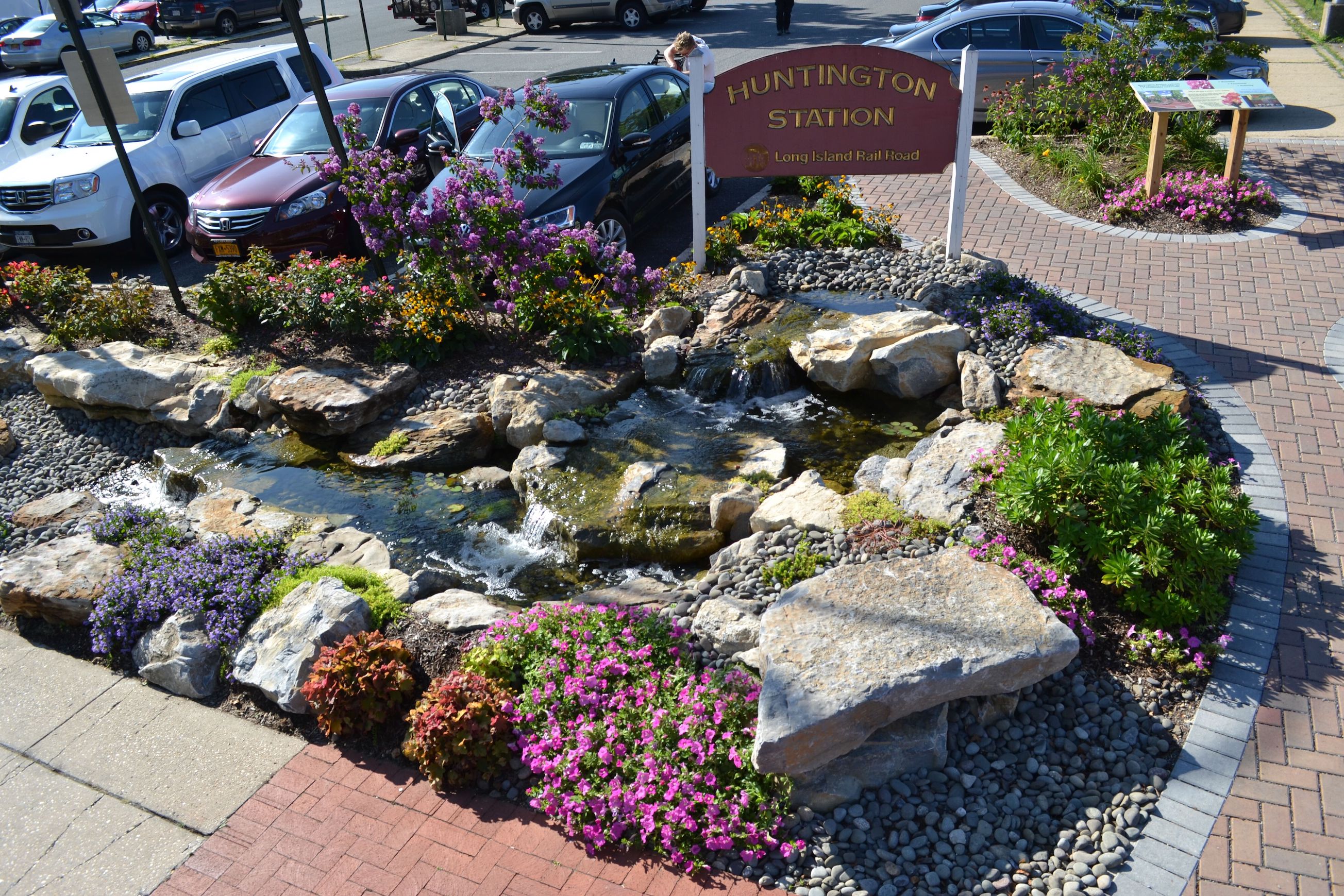
Such was the case when Deck and Patio, in collaboration with the Town of Huntington, designed/built a self-sustaining or green waterfall/water garden at one of the busiest spots in the area: the Huntington Train Station.

As background: For some time Deck and Patio has operated a sustainable division, our Rainwater Harvesting Group. 

“Rainwater harvesting is just what it sounds like,” says Dave Stockwell. “It’s a green method of capturing rainwater which can be used at private residences as well as in pubic spaces.”

At one’s home, adds Dave, captured rainwater is used for tasks that don’t require treated water such as washing a deck, lawn watering, washing vehicles, and refreshing one’s garden.”

In public spaces, it can be a source for sustaining not only the beautiful relaxing water feature itself, but there, too, the surrounding garden spots and plantings can be watered as well. 

How did the train station project come about?

Huntington Train Station Project

Huntington Train Station Project

The train station is just a few blocks from Deck and Patio’s design center at 189 Broadway.

One day a member of our team was engaged in a casual conversation with a few women planting flowers near the station.

As a local landscaper, we offered to help by adding plants, flowers, shrubs and moss rocks.


Station Area As Deck and Patio Began Work

Station Area As Deck and Patio Began Work

“A problem became immediately apparent,” says Dave. “There wasn’t any water source for maintaining the plants. The women had been lugging five-gallon buckets of water from their condos to maintain them.

“In addition, there was no walkway in this space, beyond a small brick and cement sidewalk. There was only a dirt path. It was also not handicap accessible and it seemed like the spot needed more than just plants and shrubs.”

After consulting with our Rainwater Harvesting Group, we approached the Town of Huntington. “They were completely on board,” says Dave. “Huntington Township takes great care to beautify our public spaces, including healthy and cheerful pole planters, etc.”

With the Town’s cooperation, Deck and Patio installed the self-sustaining water feature with an underground reservoir to store captured rainwater. To help accumulate the most rainfall, as well as add a paver pathway for direct access from the curb to the parking lot, we constructed a walk area made of permeable paves.

“We used Techo-Bloc permeable pavers and installed them over gravel and a rubber liner.,” says Dave. “These pavers allow the rainwater to seep into the ground and into the reservoir where it can be recirculated.

“The gravel and liner filter the water runoff before it is sent, using gravity alone, to the reservoir,” adds Dave. The system we used was known then Aquascape RainXchange Harvesting System which is now called “Aquascape’s Rainwater Harvesting System.”

“There is enough captured water to not only sustain the water feature, but to also irrigate all the plantings,” says Dave. “Plus, this eco-friendly system keeps falling non-filtered rainwater from going into the Town’s sewer system and on into Huntington Bay.”


Water Feature (Huntington Train Station/NY)

Water Feature (Huntington Train Station/NY)

The water feature is not just for aesthetics. It is highly functional. Its waterfall aerates the water — or oxygenates it. The water plants we added absorb nutrients and pollutants to help purify the water. All together, the gravel, liner, and plants create a self-sustaining rainwater harvesting garden. The area is now a magnet for local birds who come here to bathe and drink.


Rainwater Harvesting System (Huntington Train Station/NY)

Rainwater Harvesting System (Huntington Train Station/NY):

The Aquascape Rainwater Harvesting System includes an auxiliary pump connected to the irrigation system. This ensures that the water used isn’t city water, but harvested entirely from rainwater. The below ground Aquascape Aqua Blox Reservoir holds 500 gallons of rainwater.


Sustainable Water Feature (Huntington Train Station/NY):

Sustainable Water Feature (Huntington Train Station/NY):

The water feature at the train station (which is, alas, as of this writing buried under snow and ice!) is in total keeping with the Town’s program of beautification of public spaces.


Rainwater Harvesting at Huntington Station NY

Rainwater Harvesting at Huntington Station NY

Where once was only a dirt path from the sidewalk to the train parking lot, permeable pavers allow easy walking (arrow area pavers) while capturing and filtering rainwater for reuse. The pavers used are Techo-Bloc Victorien Permeable Pavers.


Backyard Upgrades: ‘Phase’ Your Way to an Awesome Retreat

“When it comes to landscaping, sometimes ‘awesome’ isn’t accomplished in one season — let alone, overnight,” says Deck and Patio’s Dave Stockwell.

Certainly, this was the case for these Shoreham, NY, homeowners. Their dream backyard includes:

— two-tiered Trex Transcend decking, 

— two ponds, stream, and waterfalls, 

— new Cambridge paver patios, 

— pavilion/outdoor great room with fireplace, 

— and a special hot tub installation with custom open-top pergola.

 To complete it, required a healthy budget and building time. So our design team came up with a thorough plan that could be built in phases.


Bullfrog Spa, Deck, and Pergola

Bullfrog Spa,Trex Deck, and Custom Pergola

Phase I. 

In the first phase we built them their new Trex deck (Gravel Path boards) as well as a custom pergola to surround their new Bullfrog Spa.

“I have orthopedic issues,” says the wife. “And my husband has multiple sclerosis, so a spa was very important to us. Deck and Patio’s designer helped us choose the right hot tub with interchangeable, individual massage jets. They’re a snap to change out whenever there’s a particular need.”

For easy daily access, Deck and Patio positioned the hot tub immediately outside their back door, tucked into the deck. Plus, we designed the deck with a raised tier which makes getting in the spa effortless. They just have to sit on its edge and swing their legs over. 

In addition, the deck layout allowed for two adjacent lounging areas for when our clients take breaks from the spa. Our team constructed a custom pergola. Through its elegant definition of space, it provides drama and architectural interest around the hot tub.


Shingle-Roof Pavilion with Fireplace

Shingle-Roof Pavilion with Fireplace

Phase II

The clients also wanted an outdoor great room that could be used most of the year. The answer was a handsome shingled roof pavilion with white columns, which also boasts a fireplace for warmth in autumn and winter months. The bases of the columns are faced with the same stone as the fireplace.

“It also offers additional ambience while they’e in their hot tub,” adds Dave.


Smaller of Two Ponds

Smaller of Two Ponds

Phase III

There is no question that backyard water features can add the ‘awesome’ to any retreat. And these homeowners wanted to enjoy waterfalls and ponds from their spa, as well as the deck, patios, and every area of their yard.

“We built two separate ponds with a meandering stream and waterfalls. The smaller pond [left] includes a substantial stone rock acting as a bridge; the larger natural ‘swimming’ pond [below] has a vanishing edge. Right in the very heart of this pond we added a ‘get-a-way’ stone island with stepping stones leading out to it.”

Larger Vanishing Edge Natural Swimming Pond

Larger Vanishing Edge Natural Swimming Pond

When Deck and patio built this complete water feature, there was room in the larger swimming pond (right) to add a sizable stone island.

With smooth natural stones leading to it, the homeowners enjoy a true Zen experience crossing the still pond to their own private island.

For extended moments of contemplation, two Adirondack chairs have been placed there. The wide arms of the chairs allow for a small lunch and cool drink while they listen to birds and watch koi swim. With a dramatic waterfall focal point, surrounded by robust bright plantings, including gorgeous aquatic plants, it’s a delightful escape for relaxation.

And whenever they, or family/guests wish, they can enjoy the experience of swimming in the pond. A truly awesome experience, much like swimming in a lake, swimming hole, or even the ocean.

More photos of the completed project follow:

Shoreham/NY Smaller of Two Ponds:

Shoreham/NY Smaller of Two Ponds:

This photo of the smaller pond at sunset was a hit on our social media last week and inspired us to write about the whole Shoreham, NY project. 


Shoreham/NY Backyard Retreat:

Shoreham/NY Backyard Retreat:

The view from the homeowners Bullfrog Spa is awesome in all directions. Pictured here is the view looking right, at the larger vanishing edge swimming pond, with waterfalls and stone island.


Pavilion/Patio with Water Feature (Stoneham/NY):

Pavilion/Patio with Water Feature (Stoneham/NY):

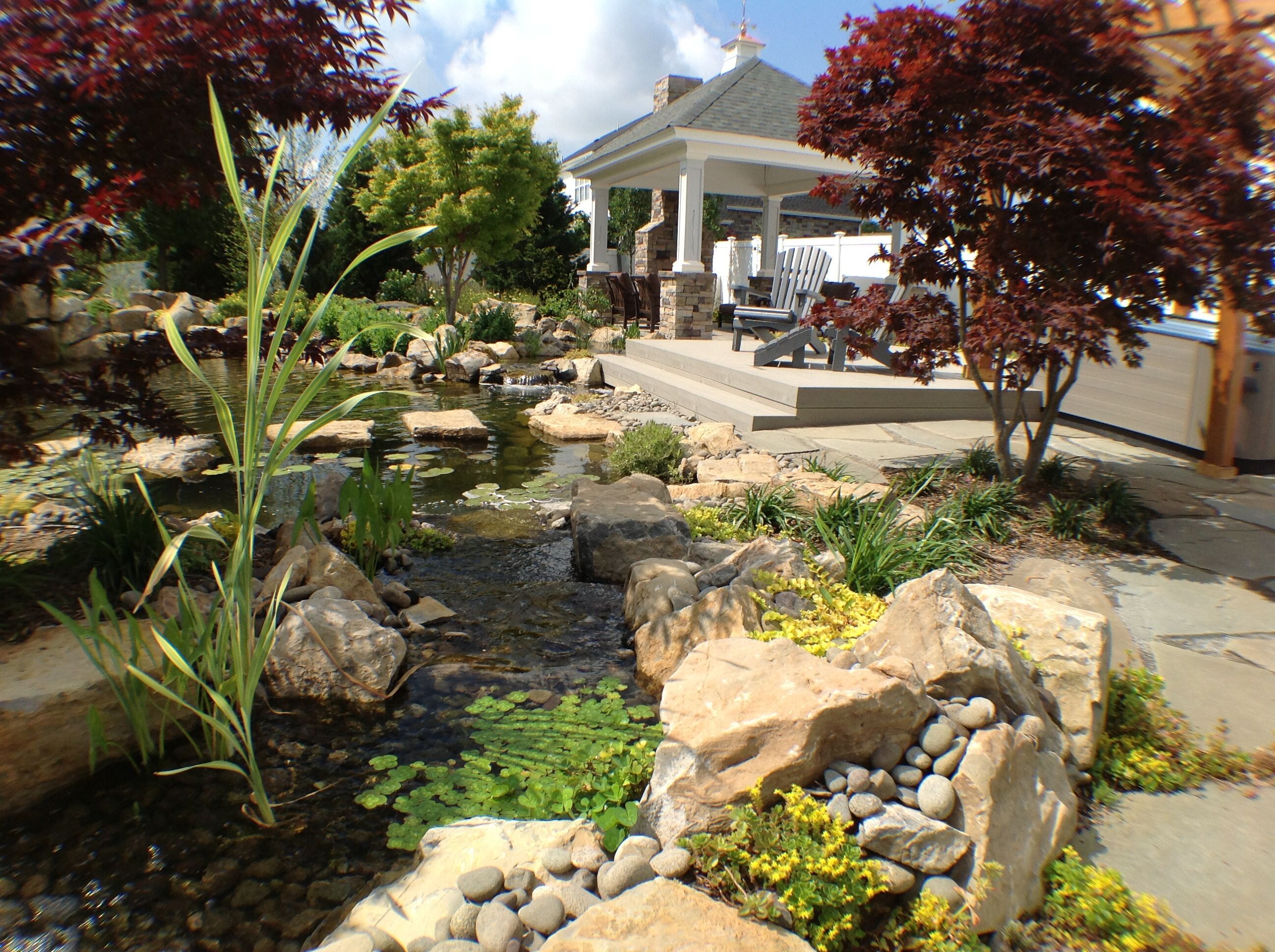
With the sounds of a flowing stream and rushing waterfalls, inside the pavilion, with the fireplace blazing, is the perfect area for entertaining. The handsome Cambridge patio with custom inlays/border is also edged with plants and generous amounts of river rock. (Note: Each of the white pavilion columns have lighting.)


Water Feature with Waterfall (Shoreham/NY):

Water Feature with Waterfall (Shoreham/NY):

Here’s a close-up of the smaller pond’s waterfall (looking left from the hot tub). 


Water Feature with Stream and Landscaping:

Water Feature with Stream and Landscaping:

The two ponds and waterfalls are fed by this delightful stream, which Deck and Patio landscaped with beautiful plantings and river rock.


Two-tiered Deck with Hot Tub (Shoreham, NY):

Two-tiered Deck with Hot Tub (Shoreham, NY):

Day or night, this backyard retreat is where our clients want to be. 


Go to Top