koi ponds

It’s Time to Fatten Up Your Pond Fish

Our blog last week suggested netting your pond before the leaves fall. It’s worth doing in the next few days if you haven’t done it yet. This is also the time for pond owners to be fattening up their pond’s fish.  

Feeding Pond Fish in Fall

Feeding Pond Fish in Fall

When pond water gets below 59 degrees, you can — and should — plump up your darlings to survive winter hibernation. Using fish food made for cold water, gradually increase how much you feed these lovely fish as temperatures start to drop.


As the water temperature continues to drop, gradually reduce the amount you feed them. Once temperatures go below 55 degrees, says Dave Kelly, from Aquascape inc., the metabolisms of pond fish slow way down. And when pond water gets down to 50 degrees, do not feed the fish any more. Their systems shut down in the colder water, and food sits inside them and rots. They get very sick and diseased from this.

So even though there is nothing cuter than your koi coming to you for more food, once the water gets to 50 degrees, experts say stop feeding them entirely.


The Koi Will Be Fine As Temperatures Drop

Koi Will Do Fine Outdoors in Winter

Koi Will Do Fine Outdoors in Winter

It is a common myth that you can’t leave your pond fish outside once the cold sets in.

Actually, fish do just fine even during winter. That said, Dave Stockwell of Deck and Patio does caution to be alert. When ice covers the pond, the fish might not be getting enough oxygen.

This can be remedied as long as you give them:


•two feet of water to swim in,

•oxygenate the water,

•and keep a hole in the ice with a heater, bubbler and an aerator.


Note: In a few weeks, we’ll write more on caring for pond fish in winter.

Chemical Pond Treatments

Unwanted Pond Debris: (Photo: Aquascape, Inc.)

Unwanted Pond Debris: (Photo: Aquascape, Inc.)


This is also the perfect time to treat your pond ahead of the cold weather. Realize, that even if you netted your pond, some debris will make it into the water no matter how careful you are.

Dave Kelly recommends adding a cold water bacteria treatment, which has concentrated strains of beneficial bacteria that works well below 50 degrees (F).

Kelly recommends adding it routinely to help maintain water clarity and quality.


Healthy Pond Come Spring

Healthy Pond Come Spring

Do a little pond maintenance (see last week’s blog) and care for your pond fish, and when spring arrives, you’ll be glad you did. Your pond will require much less work to begin your new season of pond-side outdoor living .

If you have any questions or would like assistance with preparing your pond or caring for your fish, contact our office at 631-549-8100.
By |2019-10-10T12:08:51-05:00October 10th, 2019|Ask the Experts, Koi Ponds, Living Landscapes, outdoor maintenance, Plantings/Pondscapes, Ponds & Water Features, Seasonal Landscapes|Comments Off on It’s Time to Fatten Up Your Pond Fish

Use Pond Netting: Like Apples, Leaves Don’t Fall Far From the Tree

Apple Picking Season

Apple Picking Season


One way you know it’s fall on Long Island is apple-picking kicks into gear just as leaves start changing color. Perhaps the smell of warm cider against the backdrop of bright colored leaves is Mother Nature’s consolation for taking away summer.

Of course, like all good things, this consolation comes with a few chores. Because what follows peak color (expected to arrive here around October 19th) is the inevitable clean up.


Fallen Leaves Affect Pond Ecosystems

Fallen Leaves Affect Pond Ecosystems


If these leaves fall on the lawn, they can easily be raked and collected. However, if you have a pond or other water feature, those fallen leaves can cause a bit of a mess and a lot more work come spring.

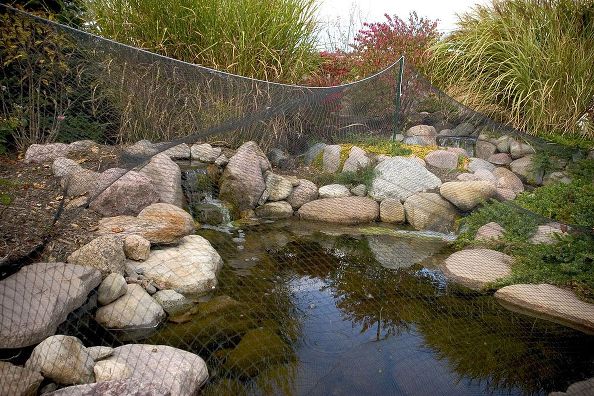
Fortunately, there is an easy solution. “It’s a good idea to get pond netting up before the leaves begin to fall,” says Dave Stockwell of Deck and Patio.


Value of Pond Netting: (Photo: Courtesy of Aquascape, Inc.)

Value of Pond Netting: (Photo: Courtesy of Aquascape, Inc.)

Ideally you’ll have your netting up before any leaves fall. And then simply pull it out when they’ve all dropped. “And you can tent the net so it doesn’t sag into the pond when it gets weighted with leaves,” adds Dave.

The netting will save countless hours come spring says Dave. “Of course, if you’re a bit late doing that, you can always use a long-handle pond net to clear out the debris, but it’s much easier if you use a net.”

Another good idea, says Dave, is to trim back and remove and dead foliage from the aquatic plants before or after you put up the net. This cuts down excessive organic material that might otherwise decompose in the water feature.”


Caring for Pond Lilies in Fall:

Caring for Pond Lilies in Fall:

Pond lilies are idyllic water plants. However, during early fall, they are one of the plants that it’s a good idea to cut back to just about the base of the plant; also trim back any marginal plants that might eventually droop over into the water. 


Unwanted Pond Debris: (Photo: Aquascape, Inc.)

Unwanted Pond Debris: (Photo: Aquascape, Inc.)


Since some debris will make it into your pond no matter how hard you work, Aquascape Inc. recommends adding a cold water bacteria treatment, which has concentrated strains of beneficial bacteria that works well below 50 degrees (F).  Their expert, Dave Kelly, recommends adding it routinely to help maintain water clarity and quality.


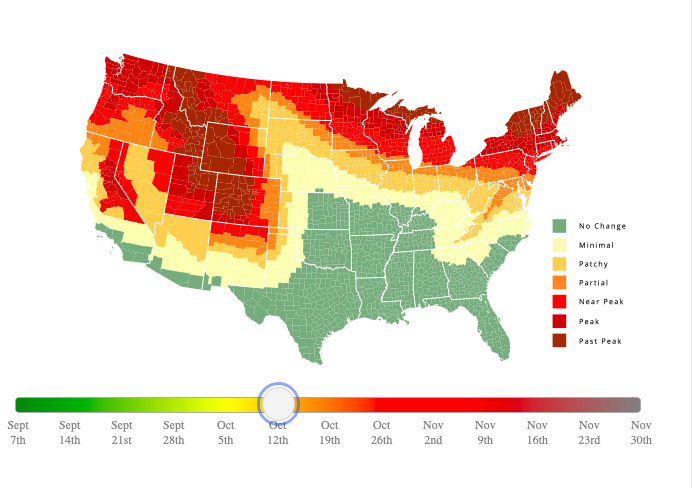
Okay, so there’s a few chores to do. But Mother Nature is putting on a show over the next few weeks. And if you’re planning to travel to view the colors change and learn when we’ll be at peak here on Long Island or elsewhere, a good foliage map is produced by the Smoky Mountain National Park (link).

Below is a screen shot of their map showing Long Island should be at near peak color around October 12th. But it’s always a good idea to get updates because rain, wind and rapid temperature changes can affect the timing.


Smoky Mountain National Park map

Smoky Mountain National Park map


Also! A great link for the best places for apple picking on Long Island can be found at mommypoppins.com.  We also have a screen shot of their feature article on this (below).


From Mommypoppins.com

From Mommypoppins.com


By |2019-10-03T13:28:19-05:00October 3rd, 2019|Koi Ponds, Landscaping, Living Landscapes, outdoor maintenance, Plantings/Pondscapes, Ponds & Water Features, Seasonal Landscapes, Updating Landscape|Comments Off on Use Pond Netting: Like Apples, Leaves Don’t Fall Far From the Tree

Choosing a Recreational Pond Over a Swimming Pool

Most people are pretty certain their family will enjoy using a regular pool. But not everyone is so sure about a recreational pond.

Even after learning that these ponds are a growing international trend and are so much better for the environment, they think, why rock the inflatable pool boat so to speak.

However, if like some of Deck and Patio’s Long Island client families, your passion for eco-friendly spaces makes you want to at least ponder (ahem) a recreational pond, one way to test the waters is ask: Do we like swimming in lakes, the ocean, and/or swimming holes? 

If the answer is yes to any of these, then you’ll probably love a natural swimming pond. Why? Because if you’ve swum in the ocean, for example, you’ve probably brushed up against the occasional bit of seaweed and snorkeled to get up close to colorful fish. 

In addition, because swimming in a natural pond means you won’t be swimming in chlorinated water, there’ll be no red eyes or irritated skin.

Because of the benefits to the environment a natural swimming pond offers, and the sheer pleasure families get from them, we’ve been staying on top of the different ponds being constructed across the country. In particular, we keep close watch on the work of the company that crafts the products we use for most of our water features — Aquascape Inc., St. Charles, IL.

And no more so than recently. For in the past year, Aquascape’s main focus, through their Aquascape Construction arm, has been on the design and construction of recreational ponds. And if Aquascape is all in, we’re confident this trend will be growing even wider.

The feature photo at the top of our blog page today is of an Aquascape Construction’s recreational pond that they built last fall in Arlington Heights, Illinois, and which they recently shared on Facebook. Here’s the video of their amazing pond:


Their pond sure is a beauty, isn’t it? And as much as we love gushing about our mentor, Aquascape, we’re proud to say Deck and Patio has done some nice recreational ponds at home on Long Island.

Here’s one very special award-winner!

Recreational Swimming Pond (Long Island/NY):

Recreational Swimming Pond (Long Island/NY):

This pond (above) is one of two ponds the clients had us create in their yard which overlooks Long Island Sound. We can assure you our beautiful model is not avoiding any of the natural pond experience by using a floating device. As you’ll see from the next photo below, she’s not bothered at all by healthy pond life. Indeed, this pond is pure and clean — a joy to swim in.

Pristine Swimming Ponds (Long Island/NY):

Pristine Swimming Ponds (Long Island/NY):

“A key factor in a good natural swimming pond is to build it big and deep enough so that you can snorkel as well as have room to swim,” says Deck and Patio’s Dave Stockwell.


Pond Water Feature Includes Stream and Landscaping (Long Island/NY):

Pond Water Feature Includes Stream and Landscaping (Long Island/NY):

The water feature being enjoyed by our lovely model in the two previous photos includes not only two ponds but also this beautiful stream that feeds them — which Deck and Patio  landscaped with lush plantings and river rock.


Swimming With the Koi (Photo: Courtesy of Aquascape Inc.)

Swimming With the Koi (Photo: Courtesy of Aquascape Inc.)

The child in all of us loves natural swim ponds. This photo was published originally by a homeowner who wrote an Aquascape Inc. blog “Growing Up Around a Pond.” She captured  her son in the photo encouraging a friend to join him in the pond.

A Note on Recreational Pond Maintenance

Eco-friendly recreational ponds require expertise to create a natural swimming  environment to be enjoyed much like swimming holes were in years past. It takes, for example, the correct underlayment, liner, Biofalls (from Aquascape Inc.), bog filtration, as well as the ideal water plants. 

As Aquascape said on Facebook, “The proper amount of filtration and aeration is included in the installation so that maintenance is kept to a minimum.”


It’s Plantings That Truly Make a Pond

6/1/23 Update of June 2019 blog

With so many new suggestions for pond plants getting attention, we thought it a good time to update an earlier blog (see below). 

The project we highlighted in that blog boasts a sloping property that, in the words of our own Dave Stockwell, “allowed us to create a mastperhece.” Certainly aquatic plants were a big part of that accomplishment.

Idyllic Pond Landscaping

Idyllic Pond Landscaping


As all pond experts will tell you, the size and depth of ponds are perfect for dressing up with beautiful plants. For example, internationally-recognized Aquascape Inc. explains there are lots of ways plants can become part of a pond’s healthy ecosystem while beautifying the water feature.

Regarding Aquascape’s recent 7 Tips for Planting Your Pond, we’re happy to say that many of these were incorporated into the project below:

  1. Create Interest with Variety
  2. Play with Colors
  3. Go Green
  4. Know Your Plant Size
  5. Short in Front, Tall in Back
  6. Group Pond Plants Together
  7. Consider Each Plants’s Needs.

We invite you to scroll down and see how many of Aquascape’s tips you can spot in this project. 

Our earlier blog begins:

____________________________________________


Its Plantings That Truly Make a Pond

Its Plantings That Truly Make a Pond

If it’s clothes that make the man or woman, it’s definitely plants that make a pond. Not that waterfalls and ponds aren’t delights in themselves. But like all creative endeavors, even making up plates of food, they are just more delectable when dressed.

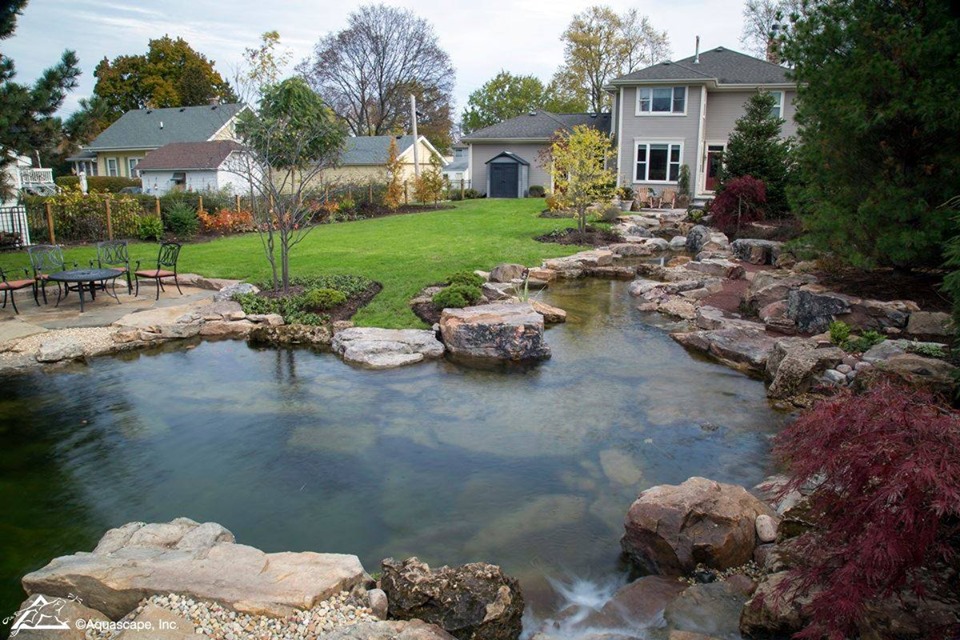
As an inspiring example, we’re highlighting today one of our Long Island pond projects. During its design process, the homeowners encouraged us to not just dress their pond  — but dress it to the nines. 

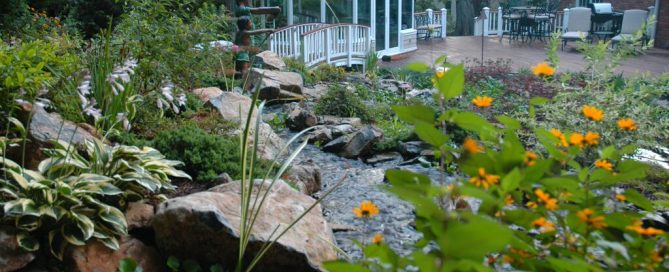
“Our clients’ sloping property allowed us to create a masterpiece,” says Deck and Patio’s Dave Stockwell. “Letting gravity do the work of moving the water, we cut a man-made stream down the slope, positioning moss rocks and natural stone boulders, creating just the right waterfall spills along the way — all ending in a koi pond. The rock installations also gave us places to add plants and ground cover so that rich bright colors and textures carpet the whole slope as well as surround the pond.”


Beautiful Plantings Adorn Water Feature

Beautiful Plantings Adorn Water Feature

In the pond, you can see lily pads and water lilies. On the slope, to the left of the tree, a Bluestone perennial, tall Liriope Big Blue (Lily Turf), thrives. Its lilac-purple flowers also produce single-seeded berries on spikes in the fall. Flanking both sides of the pond, robust plants from the Sunflower family — Enchinaecea coneflowers (right) and Rudbeckia (Black-eyed Susans, left) smile in the sunshine.


Plants are More Than Pretty Faces

Beautiful plants also play a key role in filtering a pond’s ecosystem. Aquatic plants absorb nutrients from the fish waste. “An ideal pond landscape mixes plant heights, textures and color,” adds Dave.

Our Deck and Patio clients love sitting by their pond. A favorite pastime is studying the many varieties of plants around it. As they listen to falling water they pick out the different ornamental grasses such as Miscanthus sinensis Yakujima (bottom left), admire Hydrangea Lace Cap (top right beside boulders), smile at the delicate yellow Coreopsis Moonbeam (in front of tree trunk), and linger over the purple loosestrife or Lythrum in the right of these photos.


Landscaping is also for the birds

Landscaping is also for the birds

On the far left of the photo immediately above this photo, you can see the bird bath the clients added so all the birds and butterflies the landscaping attracts can take a drink. And if you look closely at the right of this photo, just above a trail of river rock up the slope, you’ll see a bird house for some birds to make a home. Standing sentinel over this scene are lovely Canna Lilies in a pinkish-orange. These plants are very low maintenance and easy to grow. Their exotic foliage add a tropical feel to their surroundings. 


Flowing Water Soothes, But Flowers Make Us Smile

Flowing Water Soothes, But Flowers Make Us Smile

Other plants in this project: ground cover, Juniperus h. Procumbent, Juniperus Gold Star; colorfull plants, Liriope Big Blue, Leucothoe maxillaries and Phlox s. Emerald Blue. Like all the flowers in this project, these can’t help but make you smile. 


Healthy Water Garden Eco-system Includes Delightful Aquatic Plants

Update 3-23-23: When we wrote this blog a few years ago, we highlighted some of our favorite aquatic plants that  brighten and help purify any water garden. Today we’re providing more recent ideas suggested by our favorite supplier of all water garden needs — Aquascape, Inc., (St. Charles, IL)

CreepingJenny

CreepingJenny


Aquascape loves, for example, “Creeping Jenny” Pond Plants. These beauties make great marginal plants. They enjoy moist soil or water up to one-inch deep, “making an excellent choice to soften edges of rocks. It’s also prolific, but also easily pulled and therefore easy to manage.” 


Pickerel Plant

Pickerel Plant


As Aquascape explains, this lovely plant is available in blue, white, and pink lavender spiked flowers. “Pickerel is a great choice for ponds because of its shiny, green heart-shaped foliage. The blooms are long lasting and create a beautiful display when planted in masses. It grows about 24-30″ in height and performs well in Zones 4-10.”


Cardinal Flower

Cardinal Flower


Another popular beauty is the “Cardinal Flower.” “Plant this pretty flower along the shallow edges of your pond and watch the birds flock to it,” says Aquascape. Its deep burgundy foliage sets off the vibrant red flowers. The leaves are up to eight inches long and the plant can grow as tall as three feet. Cardinal flower performs best in Zones 5-9.”


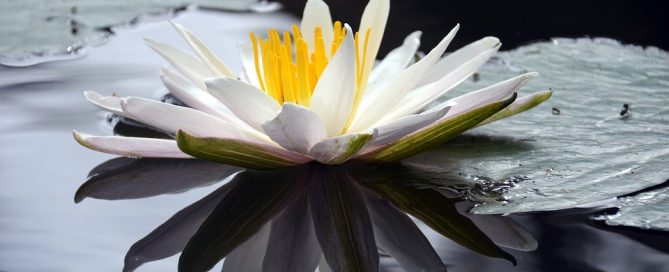
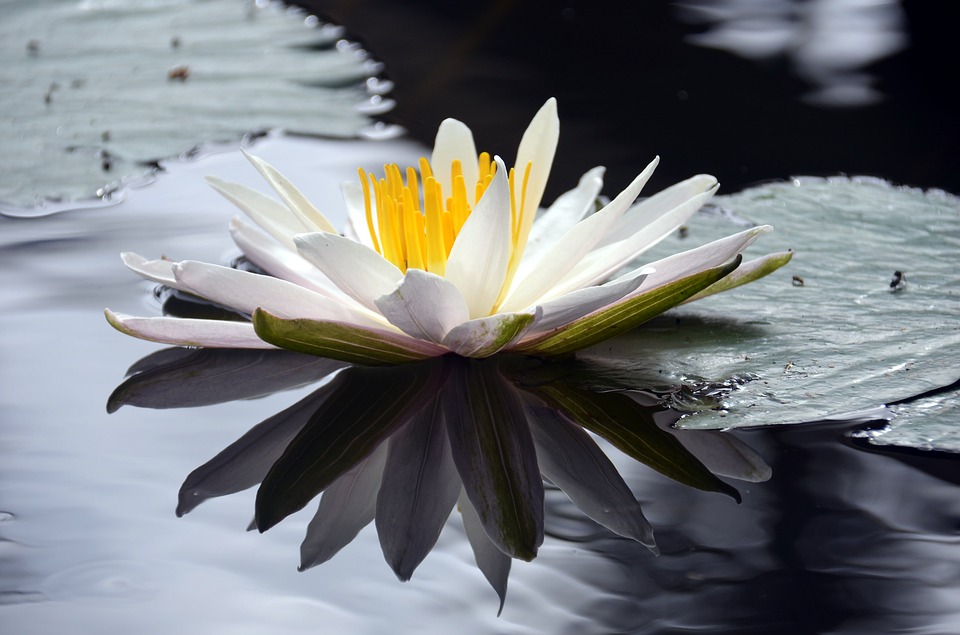
We were delighted to note that water lilies (see our feature photo at top of page) is still recommended as a popular plant. Indeed, it’s worth checking out the entire Aquascape post for the other several beautiful plants highlighted

As a final update: After reading our earlier post below, and if you still doubt that aquatic plants are capable of purifying pond water, etc., check out this fascinating new feature on how lettuce absorbs pollutants. After reading, you may want to eat less lettuce, but you’ll be confident in a plant’s ability to help clean your water garden.

Following below is our original post. And we think sill worth a read:

_____________________


“The key to an ideal water garden eco-system is maintaining clean, healthy water,” says our own Dave Stockwell. “It is then that you attract and support delightful wildlife such as birds, butterflies, frogs, etc.”

Pond filtration systems and operating waterfalls are a big part of keeping water clean and oxygenated (aerated), adds Dave. “However, another major part of creating and maintaining a healthy water garden system is the aquatic and surrounding landscaping you do.”

Deck and Patio Pond

Deck and Patio Pond

Aquatic Plants

Aquascape Inc., in St. Charles, IL — the country’s leading experts on all things pond and water gardens — describes the basic groups of aquatic plants as:

Water Lilies Lotus

Marginal Plants Water Lily-like Plants

Floating Plants Submerged Plants

(Note: Our feature photo at the top of the page is a Lotus.)

“The best designs for ponds and water gardens utilize a wide mixture of plants in different heights, textures and color from at least three of the above groups,” says Dave. “This gives the most natural look. When installing these, at Deck and Patio we don’t do it in a symmetrical way. We find that a more random placement provides the most natural look.”


Aquatic Plants and Pond Landscaping (Long Island/NY):

Aquatic Plants and Pond Landscaping (Long Island/NY):

The tall aquatic plant on the left of the pond (canna lily) offers a nice tall statement. It thrives in water conditions that are 70-80 degrees F, with a pH of 6.5-7.5. They’re also easy to care for, love natural light and are ideally suited near the edges of a pond. The weeping hemlock at the top right in the photo flourishes in moist soil and offers a bit of shade which helps balance the water temperature.

But there’s more to aquatic plants than aesthetics. Plants such as water lilies and irises feed on the nutrients (algae or small primitive unwanted plant life) in the pond water, and produce oxygen while they provide shade and food for small creatures attracted to the water garden. 

Aquatic floaters and marginals, adds Dave, are perfect for gobbling up the excess nutrients that are produced by any pond fish and excessive plant algae growth. They also help by reducing sunlight in the pond, which also controls the growth of algae. 

Aquatic Plant: Arable Hornwort

Aquatic Plant: Arable Hornwort

One submerged plant, arable hornwort, is a great example of plants that eat up algae and will also release oxygen. 

“Remember, that while nutrients sound like a good thing, too many in your water garden, and your pond water changes dramatically,” says Dave. “However, despite the fact that aquatic plants eat up unwanted nutrients, too many plants or plant material will also contribute to an over abundance of nutrients. For example, when plants die in the fall, they fall back in the pond, adding to the problem. We recommend cutting them back before this happens in order to have healthy water.”

Dave says not to fret if your pond water has a slight tint to it. “Crystal clear water has no nutrients. You want some algae, diatoms, protozoans, etc. because they offer a diverse food source for pond fish, frogs, and plants. It’s all about choosing the right plants and keeping them all in balance. 

To complete an enchanting water garden eco-system, the plants you put in around your water feature’s edge will aid in attracting birds, butterflies, pollinators, etc. No pond/water feature will be completely free of algae but it can be kept in check and in a natural way.


Aquatic Plants (Long Island/NY):

Aquatic Plants (Deck and Patio Project /Long Island/NY):

In addition to the canna lily, this pond boasts water lilies — both tropical and hardy ones. The pinkish coneflowers on the right are not aquatic and are not in the water but are perfect edging plants as they attract desirable wildlife — one of the reasons we love our ponds.

_____________

Bonus: Keeping the garden’s water circulating using a pump, or adding waterfalls, will help prevent mosquito larvae from hatching. 


By |2023-03-23T12:59:18-05:00May 22nd, 2019|Aquascape Biofalls, Creative Design, Gardening, Koi Ponds, Landscaping, Living Landscapes, Moss Rock and Stones, Outdoor Living, outdoor maintenance, Plantings/Pondscapes, Plants, Ponds & Water Features, Updating Landscape|Comments Off on Healthy Water Garden Eco-system Includes Delightful Aquatic Plants

Love Birds and Nature? How About Your Own Natural Retreat!

Ever notice how every few scrolls on Twitter, etc. will show a delightful bird, a funny squirrel, someone saving a desperate animal, a croaking frog, or lovely vistas — all squeezed in between posts of angst and politics?

Well. As helpful as these momentary breaks online are, the best break is enjoying nature close up, away from our phones. As Diane Sawyer’s Report: ‘ScreenTime’ showed a few nights ago, families are challenged today. They’re spending too much time with technology. And most, deep down, hunger for more family-time and time outdoors. 

Ms. Sawyer’s report reminded us of a very special Deck and Patio backyard natural retreat we did several years ago. The wife contacted us saying she always loved birds but hadn’t seen many in her yard in a long time. She was also hungering to see butterflies, etc. Could we come up with a plan to bring nature alive on their property?

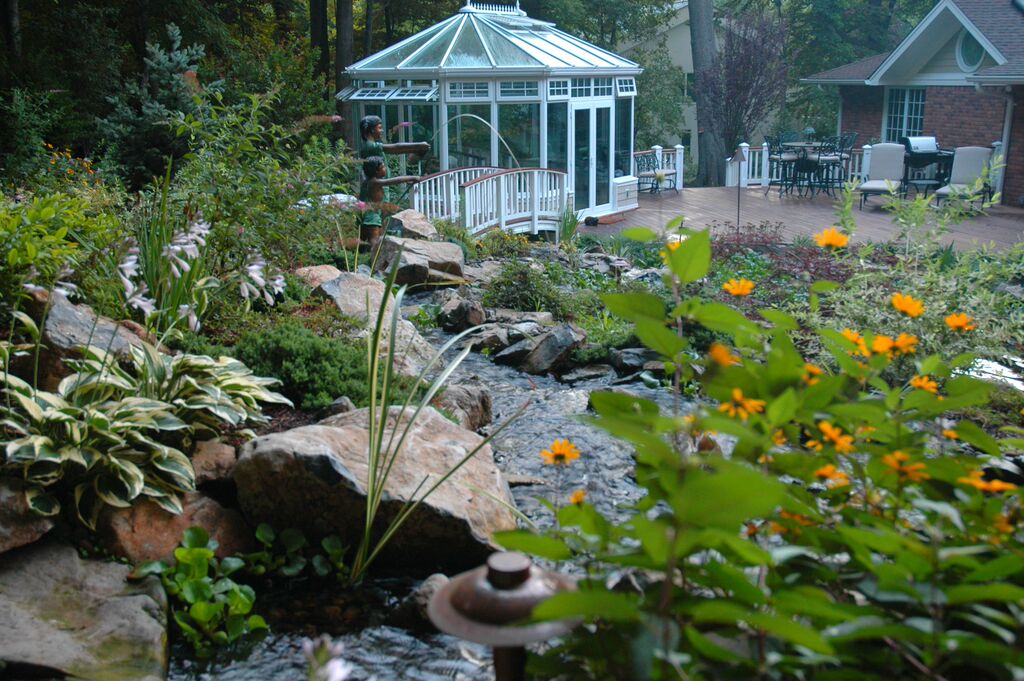
It soon became clear they wanted something truly special. They had already contacted other companies to provide them with a backyard conservatory and charming wooden bridge. Our challenge was to ensure we incorporated these into our own landscaping design in a harmonious way.

“The multi-feature natural retreat we proposed and built included a deck to overhang a new backyard pond — in such a way so that it looks like the pond continued under the deck,” says Deck and Patio’s Dave Stockwell. “In addition to these, our plan called for two 35-foot long babbling brooks, multiple waterfalls and lush multi-seasonal landscaping.”

To make it look as if Mother Nature designed this entire retreat, adds Dave, our team chose, for example, each rock and boulder carefully to create the right “water spills.” Sometimes a rock was chosen because of its crevices allowing for planting perennials within. 

The homeowners were very involved in choosing the plants. In the end, we incorporated about 5,000 bulbs, almost 300 species of wooded plants, as well as evergreens, and about 150 varieties of perennials.


Creating Different Outdoor Focal Points:

Creating Different Outdoor Focal Points:

It was important to create a variety of different spaces and focal points, just like you experience in nature when you move about. In one place you sit next to the pond and observe the waterfall. Other times you’re walking through a wooded path. The lush landscape attracts a myriad of birds (and butterflies) so the sights and sounds of nature, along with the rushing water, are as relaxing an experience as is possible outdoors.


Waterfalls and Ponds:

Waterfalls and Ponds:

The rocks we used for the four-foot multi-tiered waterfall/pond came from farmers’ fields in New Jersey. Some weighed over three tons. Carefully placed, the scenes suggest one is trekking a natural preserve or wilderness. 


Dining Al Fresco at Home:

Dining Al Fresco at Home:

Whether on their new deck, or in their glass conservatory, the family enjoys dining together al fresco to the sounds of birds and croaking frogs. When lounging outside, they can take a quiet moment to feed their koi. 


Key Elements of a Healthy, Low-Maintenance Pond

A low-maintenance pond is one with an ecosystem that works naturally with Mother Nature to keep the pond clean and clear. It is a paradise for families to relax by and study throughout all seasons. It also offers a healthy place for desirable wildlife, such as pond fish, birds, etc. 

Such a delightful backyard feature has several elements that contribute to its overall harmony. As certified Aquascape Inc. contractors, Deck and Patio keeps regularly up-to-date with the latest in pond design, construction and maintenance.

Proper Water Circulation

It is essential that any water pump be adequate to the size of your pond and waterfalls. This ensures the amount of water will be aerated sufficiently and will not stagnate or develop excessive bacteria. Instead, the pond receives adequate oxygenation to remain healthy. 

Biological Filters and Skimmers

Ponds should also include a natural filtration system using the right biological filter and mechanical skimmer. Adding rocks and gravel over pond liners will also allow beneficial bacteria to grow for fish to graze on. 

Pond Fish

Koi, in all their jeweled colors, are not just beautiful to look at. They eat algae, and their own waste turns into fertilizer for pond plants. It’s key, though, not to overstock your pond so the balance of fish waste, verses what is being used up, remains in proper balance.

Aquatic Plants

And you thought plants, too, were just pretty faces. No, they also play a key role in filtering a pond’s ecosystem. Aquatic plants absorb nutrients from the fish waste. “In the heat of summer, for example, it’s ideal that approximately 40% of your pond’s surface be covered with plants. Not only do they take care of the algae they also provide shade for the fish when it’s hot,” says Dave Stockwell of Deck and Patio.

Backyard Pond Is a Paradise

Backyard Pond Is a Paradise

“A backyard pond should be a paradise for relaxation as well as a home for desirable wildlife,” adds Dave Stockwell. “I’m referring to wildlife such as birds, frogs, etc. who eat insects as they enjoy the shelter you’ve created for them. In addition, aquatic plants and pond fish are essential elements in the overall ecosystem.” 

Sometimes, Deck and Patio clients want to go even further when creating a natural healthy pond ecosystem. “That’s the rainwater harvesting comes into play,” says Dave. “This involves capturing rainwater, filtering it, and trapping it below ground to be recirculated to maintain the pond’s water level because of evaporation. Aquascape Inc. of St. Charles, IL, has superb systems that capture and circulate rainwater.” 

This captured water never stagnates, says Brian Helfrich, construction manager at Aquascape, because the water is continuously circulated in the pond via a waterfall, or stream, or pond fountain.

“Rainfall shortages will never be a problem,” says Helfrich. “Plus, with such a system, town or city water is never being used. Those with an underground storage tank — stocked with water they may have collected a month ago, even during a drought, will not only keep their water feature fresh and moving, but excess water reserves can maintain a lawn, and/or a vegetable garden.” 

Easy to Maintain Pond Ecosystem:

Easy to Maintain Pond Ecosystem:

This beautiful award-winning water feature (silver medal from LIPSA) consists of a stream, waterfalls and pond; it’s the perfect spot for letting the day’s cares melt away. Enchanting Echinacea (coneflowers) and magenta Lythrum are some of the plants brightening this pondscape.

Healthy Pond Ecosystems with Wildlife:

Healthy Pond Ecosystems with Wildlife:

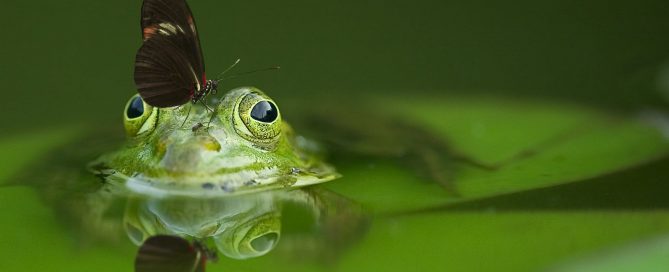
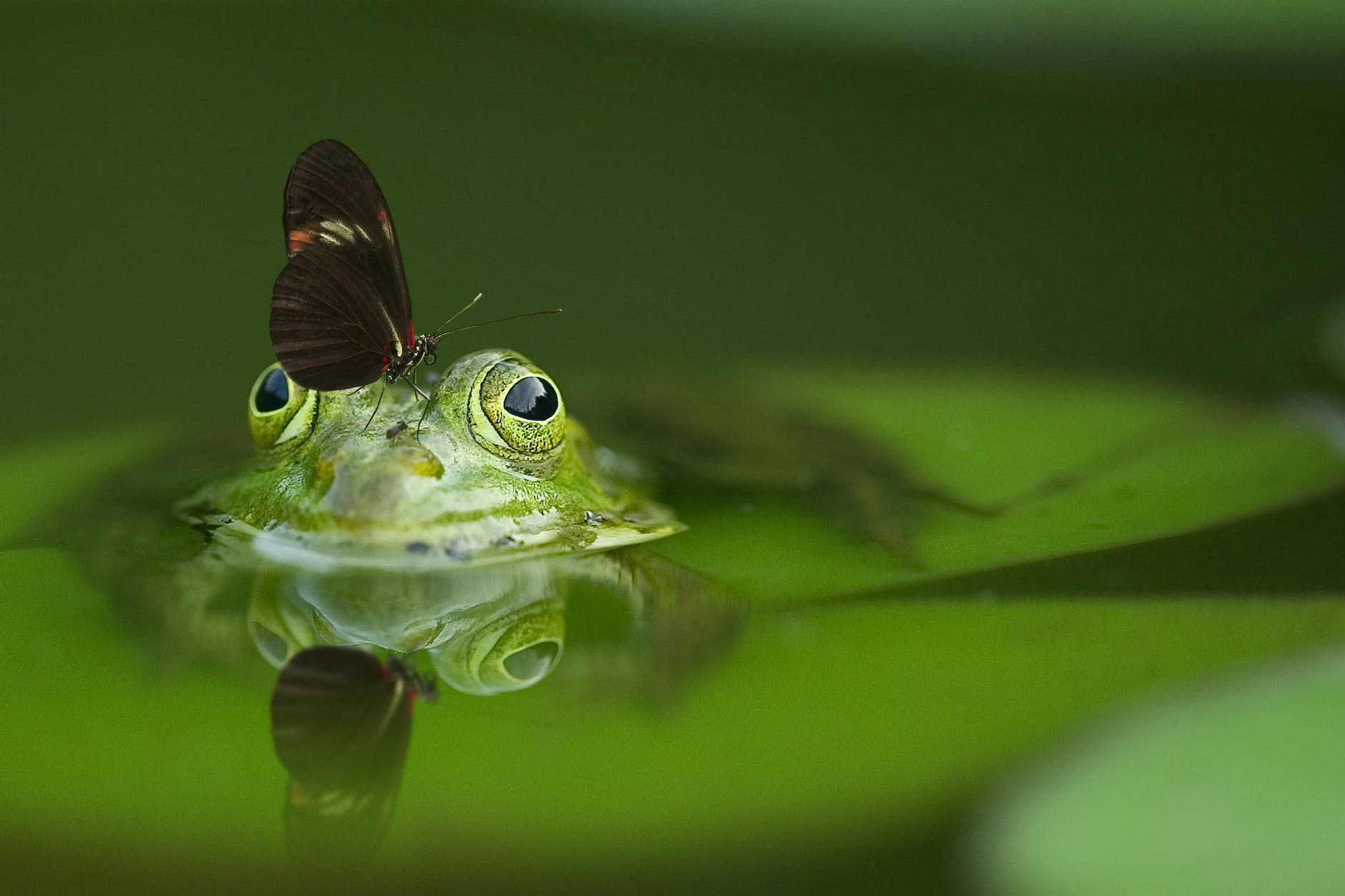
Water is the basis of all successful ecosystems. The second you put in a water feature you attract all kinds of wildlife — birds who want to bathe, frogs, salamanders, and insects that the birds feed on.

Low Maintenance Ponds with Koi:

Contrary to popular belief, fish will actually reduce pond maintenance, as they graze on string algae and bottom feed from the pond floor. Plants shown here include bullrush, pink canna lilies, horsetail, and a rose arey hybrid water lily. 

“A healthy pond does require some spring and fall maintenance,” says Dave Stockwell. “However, if you build your pond correctly, Mother Nature will do the rest. Not only will you love it in every season, but frogs, birds and butterflies will thank you for it.”


Can Pond Fish Survive in a Frozen Pond?

2014 Polar Vortex weather map

2014 Polar Vortex weather map


December 2018 weather in Long Island, NY, has hovered around 50 degrees.

However, recent news that the Polar Vortex may very soon cause the northeast some winter trauma suggests we should all give a thought to our backyard ponds and especially our pond fish. 

The big question is:

Can Koi Survive in Frozen Ponds?

Pond Gases Must Escape

Pond Gases Must Escape

Some pond owners remove their koi for safe keeping in a warmer place. That is not necessary, say experts. However, it’s important to remain alert, especially if the weather gets particularly bad.

Your koi will happily lie dormant during winter months and can survive in a frozen pond as long as they can get enough oxygen. This requires;

  •  two feet of water to swim in,
  •  oxygenating the water by running waterfalls into the pond etc.,
  •  and keeping a hole in the ice with a heater, bubbler and an aerator, thereby allowing the naturally produced gasses to escape from under the ice.

If the above efforts fail to keep it from freezing, Aquascape Inc. designs manager, Gary Gronwick, suggests using a pond de-icer. 

“This will keep a little hole in the ice so gases can escape,” he says. “While some recommend boiling water to create an opening in frozen-over ponds, that should be discouraged. It will only ice up again quickly.“

Gronwick also says to avoid chopping or sawing the ice to open a hole. The noise and vibrations will stress out the hibernating fish to a point they could die.

That done, Mother Nature will do the rest. The fish will spend the entire winter hibernating at the bottom of the pond, or in a cave designed for this, and then will slowly wake up as the water warms in the spring.  The fish do not need to eat during this time and, in fact, shouldn’t be fed at all.  


Prepare Ponds for Winter:

Prepare Ponds for Winter:

If you haven’t done this already, before any brutal weather sets in, carefully look over your plant material and remove dying plant material. Otherwise, these will rot and build up poisonous gases that can’t escape through ice when it forms. Such conditions might mean that the koi are no longer simply hibernating, but are in a dangerous state of torpor.


Keep Pond Waterfalls Running in Winter: (Photo/Aquascape Inc.)

Keep Pond Waterfalls Running in Winter: (Photo/Aquascape Inc.)

Running waterfalls during cold months helps move the water so ice doesn’t form. But if ice builds up, pond aerators can put bubbles back in the water to add oxygen for the fish.


Contented Pond Fish in Winter: (Photo/Aquascape Inc)

Contented Pond Fish in Winter: (Photo/Aquascape Inc)

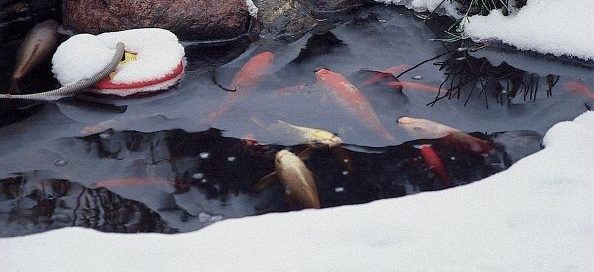
This pond has been cleared of excessive plant material and ice does not cover over the pond so that the fish are happily hibernating.


Happy Holidays

Happy Holidays


So! If the Polar Vortex throws us all it’s got, you don’t need to worry too much about your fish. Ensure they have enough oxygen, etc., and they should be just fine. 

Merry Christmas, everyone!

Caring for Ponds/Pond Fish in Fall


Peak fall foliage is upon us here on Long Island. And while it’s a glorious sight, for those with ponds, it’s also a reminder to do a little maintenance.

Netting Ponds in Fall.

Netting Ponds in Fall.

Our blog a few weeks ago suggested netting your pond before the leaves fall. It’s worth doing in the next few days if you haven’t done it yet.

Once all the leaves have fallen and been captured by the net, you can simply pull it out and once again enjoy your pond unobstructed.

Note: If netting isn’t your thing, a long-handle pond net allows you to scoop down to the bottom and pull out leaves and other debris. It’s a bit more work, but effective. Also, since ponds tend to lose significant water by evaporation during the summer, clearing out debris keeps the pond from getting too shallow and requiring extra water to keep it topped off and healthy. 


Aquatic Plants Maintenance

Deck and Patio Ponds

Deck and Patio Ponds

“It’s a good idea to trim back and remove any dead foliage from aquatic plants this time of year,” says Deck and Patio’s Dave Stockwell. “This helps remove excessive organic material that would otherwise decompose in the water feature. Such decaying material can cause excess gasses and undesirable algae.”

Pond lilies, for example, which are idyllic water plants, tend to need a little maintenance in fall. It’s a good idea to cut them back to just about the base of the plant; also trim back any marginal plants that might eventually droop over into the water.


Chemical Pond Treatments

Leaves In Backyard Stream 

Leaves In Backyard Stream


Some debris will make it into your pond no matter how careful you are.

Dave Kelly of Aquasacpe Inc. recommends adding a cold water bacteria treatment, which has concentrated strains of beneficial bacteria that works well below 50 degrees (F).

Kelly recommends adding it routinely to help maintain water clarity and quality.  Photo: Aquascape Inc.


Caring for Pond Fish 

You can — and should — plump up your koi darlings to survive winter hibernation. As temperatures start to drop, gradually increase how much you feed them. When your pond’s water gets below 59 degrees, we recommend using fish food made for cold water. 

Note: As the temperature continues to drop, gradually reduce the amount you feed them.   Once water temperatures go below 55 degrees, says Kelly, the metabolisms of pond fish slow way down. And when pond water gets down to 50 degrees, do not feed the fish any more. Their systems shut down in the colder water, and food sits inside them and rots. They get very sick and diseased from this.


Pond Fish in Fall:

Pond Fish in Fall:

There is nothing cuter than your koi coming to you for more food. However, once the water gets to 50 degrees, experts say stop feeding them entirely.


Healthy Ponds:

Healthy Ponds:

Once Spring arrives, and your pond and fish are healthy and thriving, you’ll be glad you took such good care of your pond in the Fall.

There! That’s not so bad, is it. Just remember: a little fall maintenance makes all the difference.


Benefits of Water Gardens: Raising Independent, Confident Kids

Updated 9-14-23

Reports confirm the many advantages children experience all year long by exploring, on their own, a beautiful outdoor natural environment.

The ‘let grow’ is a terrific play on words — especially since what’s behind it emphases the advantages children experience by exploring, on their own, a beautiful outdoor natural environment. 

This does not surprise us at Deck and Patio. We’ve been hearing for many years how much the children of our clients gain by being able to explore Nature close up in a backyard water feature like a pond.

“Not everyone lives near a large park with streams, or a pond, abundant with flora and fauna,” says our own Dave Stockwell. “And not every parent is comfortable with letting children stray too far away from home in order to experience this.”

But on answer is certainly adding a wildlife refuge (small wildlife that is) in one’s own property.

As this wonderful video (below) from Aquascape Inc.’s Facebook page shows, when done well, these features can attract lots of interesting and friendly creatures that children love:  birds, frogs, salamanders, butterflies.

Not to mention by adding koi and lovely aquatic plants, depending on their age, children can be entertained as well as educated — on their own — for hours at a time.

Now while there are a few things to consider, like an ideal pond depth for the age of the children, with a little care, koi ponds bring out the child in us all. Even today, when a pond is large enough, many adults can’t resist a swim.

So whether you believe in being a ‘helicopter’ parent, or come down on the side of ‘free range,’ with a backyard koi pond, kids can explore without being far from a watchful eye. They’ll learn independence choosing what to study on any given day: a croaking frog, a bird bathing in the cool water, or jeweled koi eager to be fed.


Pond Lessons for Kids

Pond Lessons for Kids

In return for your providing the clean pond water, these little amphibians greatly reduce the amount of pesky insects in your backyard — thereby naturally reducing a need for pesticides.


Kids and Backyard Ponds:

Kids and Backyard Ponds:

Any child fortunate enough to grow up with the ability to explore nature never loses love for the outdoors and the beauty of Mother Earth. Photo: Courtesy of Aquascape Inc.


Natural Playscape with Pond:

Natural Playscape with Pond (Long Island/NY):

Deck and Patio designed/built this city oasis with a temporary 8” shallow pond for younger children, which can be easily turned into a full-size koi pond when the children get older.

Stepping stones lead from the playhouse across the pond to a patio at the back of the house — where parents, grandparents, neighbors and friends can sit and watch the children play and explore (ahem). 


Swimming Ponds (Long Island/NY):

Swimming Ponds (Long Island/NY):

Swimming Ponds (Long Island/NY): Another blog post on Aquascape’s website, titled: “Growing Up Around a Pond,” included this photo of her son encouraging a friend to join him in their pond. Photo: Courtesy of Aquascape Inc.


Ponds Offer Multi-Seasonal Enjoyment:

Ponds Offer Multi-Seasonal Enjoyment:

Even when the weather is chilly, kids enjoy studying what’s happening in a pond. And when winter comes, and the koi hibernate, they might be able to skate on it. This is one time, no one argues that helicopter parenting isn’t a good thing. Parents will definitely be the ones checking to know if the pond is truly frozen.


Happy Pond Fish in Winter: (Photo/Aquascape Inc)

Happy Pond Fish in Winter: (Photo/Aquascape Inc)

Even in winter, children get to explore the pond. One favorite activity is to be winter wildlife detectives where they can check on how pond creatures like koi are managing in the snow.


Go to Top